
AI Tutorials
Mastering n8n: The Complete Guide to AI Workflow Automation
A comprehensive tutorial on building powerful AI agents and automating enterprise processes with n8n, the flexible node-based automation platform.
Read MoreZharfAI Team

AI workflow automation has evolved from a supportive technology into a central force driving enterprise agility, cost efficiency, and innovation. In 2025, businesses are no longer simply automating repetitive tasks-they're reimagining entire operations through the lens of artificial intelligence.
An IBM Institute for Business Value report found that 92% of executives agree their organization's workflows will be digitized and use AI-enabled automation by 2025. The Intelligent Process Automation market reflects this momentum, projected to expand from $16.03 billion in 2024 to $18.09 billion in 2025-a compound annual growth rate of 12.9%.
Traditional automation follows rigid rules: if X happens, do Y. Modern AI automation is fundamentally different:
Machine Learning: Enables systems to learn patterns from data and improve predictions over time, essential for demand forecasting, anomaly detection, and personalization.
Natural Language Processing (NLP): Allows systems to understand and generate human language, powering chatbots, document analysis, and voice interfaces.
Computer Vision: Enables visual data processing for quality inspection, document digitization, and security monitoring.
Robotic Process Automation (RPA): Handles structured, rule-based tasks by mimicking human interactions with software systems.
Hyperautomation-the coordinated use of AI, machine learning, RPA, and process intelligence-has transitioned from a technical trend into a boardroom-level strategy.
Rather than automating isolated tasks, hyperautomation transforms entire operational ecosystems:
Consider an invoice processing workflow:
2025 marks broader adoption of agentic AI in workflow automation. Unlike traditional bots that execute predefined scripts, AI agents:
Customer Service Routing: AI agents analyze incoming requests, understand intent and urgency, and route to the most appropriate resource-or resolve directly.
Internal Operations: From IT ticket triage to facilities management, agents handle requests that previously required human judgment.
Procurement: Evaluating vendor proposals, checking compliance, and managing approval workflows with minimal human oversight.
Project Management: Identifying risks, reallocating resources, and adjusting timelines based on real-time project data.
Several platforms lead the intelligent automation space in 2025:
UiPath: Comprehensive automation platform combining RPA with AI capabilities, strong in complex enterprise deployments with extensive integration options.
Automation Anywhere: Cloud-native automation with strong AI features, particularly suited for organizations prioritizing scalability and SaaS delivery.
IBM Robotic Process Automation: Combines traditional RPA with IBM Watson AI services for NLP, computer vision, and machine learning, with enterprise-grade governance and security.
ServiceNow: Workflow automation integrated with IT service management, ideal for organizations already invested in the ServiceNow ecosystem.
Workato: Enterprise automation platform combining integration and intelligent workflow automation, enabling complex workflows with minimal coding.
Microsoft Power Automate: Deep integration with Microsoft 365 ecosystem, accessible for organizations already using Microsoft tools.
Domo: Business intelligence platform with AI workflow capabilities, strong for data-driven automation use cases.
Integration Capabilities: Does the platform connect easily with your existing systems? Look for pre-built connectors and robust API support.
AI and ML Features: What intelligence is built in? Can the platform handle unstructured data, make predictions, and learn from outcomes?
Scalability: Can the platform grow with your needs? Consider licensing models, infrastructure requirements, and performance at scale.
User Accessibility: Who will build and maintain automations? Evaluate low-code/no-code capabilities versus requirements for technical expertise.
Governance and Security: Does the platform meet your compliance requirements? Look for audit trails, access controls, and data protection features.
Total Cost of Ownership: Beyond licensing, consider implementation, training, maintenance, and infrastructure costs.
Automation ROI extends beyond direct cost savings:
Looking ahead, several developments will shape the automation landscape:
Intelligent automation in 2025 represents a fundamental shift in how organizations operate. The combination of AI, machine learning, and traditional automation creates systems that are more capable, adaptive, and valuable than ever before.
Success requires more than technology selection-it demands strategic thinking about which processes to automate, how to manage organizational change, and how to measure and optimize results over time.
Ready to transform your operations with intelligent automation? Contact ZharfAI to explore solutions tailored to your business needs.
A comprehensive tutorial on building powerful AI agents and automating enterprise processes with n8n, the flexible node-based automation platform.
Read More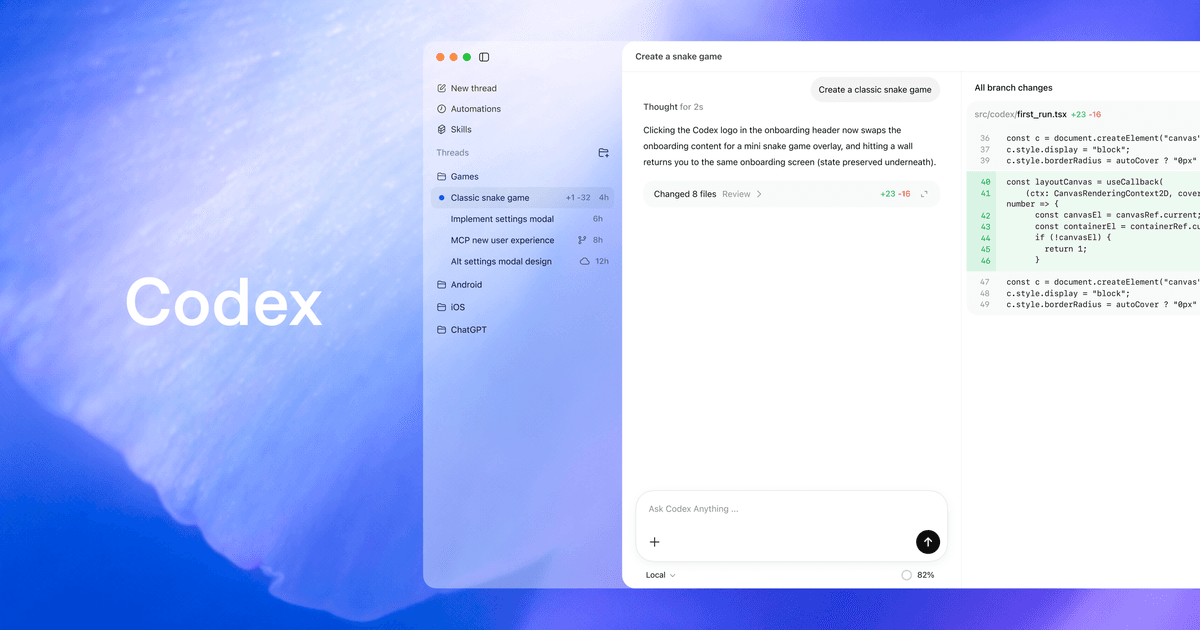
Learn OpenAI Codex end to end: install Codex CLI, use the app, IDE and cloud, configure MCP, AGENTS.md, sandboxing, reviews, CI and SDK workflows.
Read More
Master Claude Code with this comprehensive tutorial. Learn installation, configuration, MCP servers, hooks, IDE integrations, and advanced features. The ultimate guide to Anthropic's AI-powered CLI for developers.
Read MoreGet in touch with our team to discuss how we can help your business.