The Genesis Engine: AI in Synthetic Biology and Biomanufacturing
For the entire history of industrial civilization, humanity has relied on extracting materials from the Earth or synthesizing them through harsh, energy-intensive petrochemical processes. We have spent the last century trying to make machines act more biological.
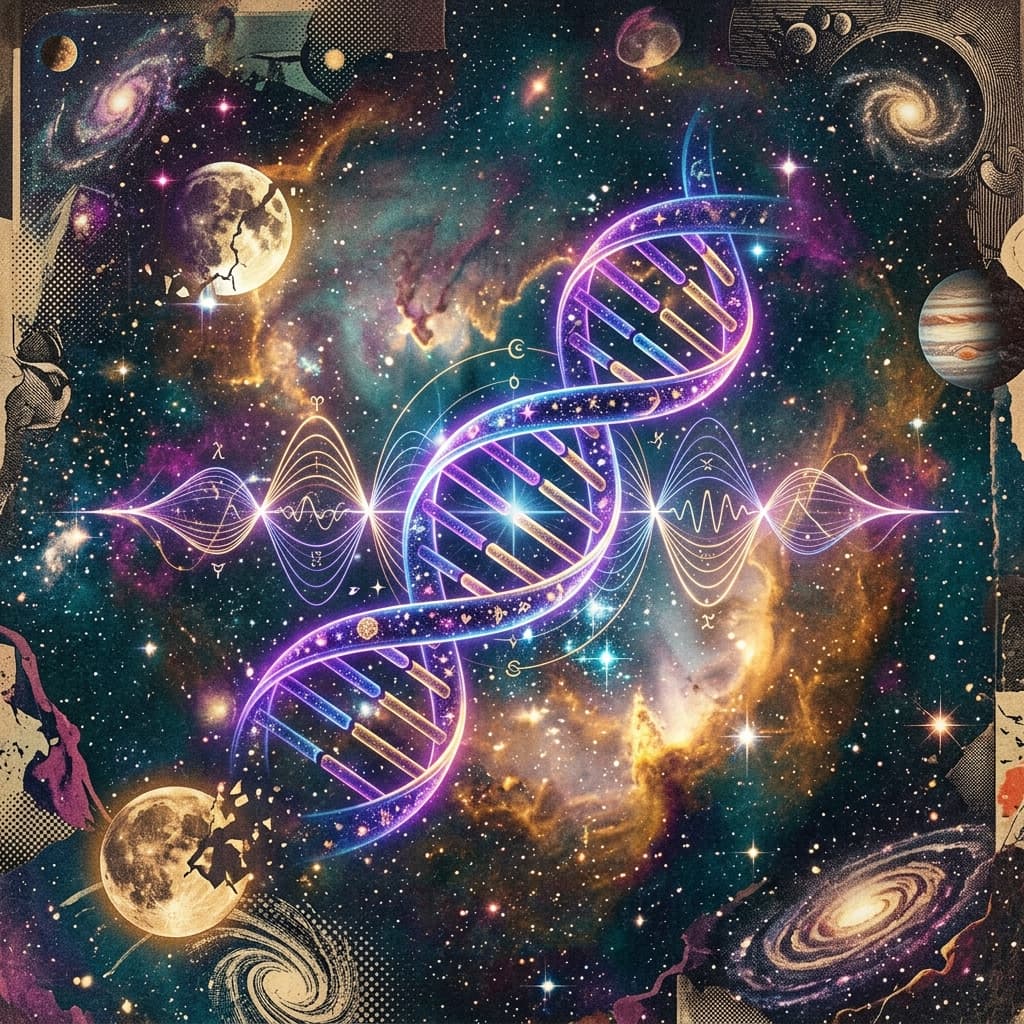
In 2026, the paradigm has flipped. Through the convergence of Artificial Intelligence and Synthetic Biology, we are making biology act like a machine. DNA is no longer just a chemical record of evolution; it is programmable code. By algorithmically designing novel biological structures, AI is transforming living cells into microscopic, sustainable factories that can manufacture the physical components of the future.
1. Generative Protein Design
Proteins are the fundamental building blocks of almost everything—from the immune system to industrial enzymes. Nature took millions of years to evolve the proteins we see today.
- The AlphaFold Successor: Modern generative AI models go far beyond predicting protein structures. Scientists can now provide the AI with a functional physics prompt: "Design a protein structure that binds specifically to microscopic polystyrene particles in seawater and metabolizes them harmlessly." The AI simulates billion-atom interactions in hours, generating a completely novel DNA sequence for a protein that has never existed in nature. Biologists synthesize this DNA, insert it into a standard strain of yeast, and essentially boot up a biological program that eats ocean microplastics.
2. Advanced Biomanufacturing
Instead of producing nylon or polyester in massive chemical refineries that pump carbon into the atmosphere, we can now "brew" materials the same way we brew beer.
- Algorithmic Metabolic Engineering: Using AI to map complex cellular metabolisms, start-ups are creating engineered microbes that consume industrial CO2 and excrete hyper-strong, bio-degradable spider silk proteins. This engineered spider silk is being spun into everything from sustainable fast-fashion clothing to high-tensile parachute cords for aerospace companies. The AI constantly monitors the bioreactors, dynamically adjusting nutrient flows to keep the microbial factories operating at peak, algorithmically-tuned efficiency.
3. DNA Data Storage
As the world's digital data footprint expands exponentially, traditional silicon data centers are consuming an unsustainable amount of the global power grid.
- Biological Hard Drives: DNA is the most efficient information storage mechanism in the universe. A single gram of DNA can store hundreds of petabytes of data for centuries without any electrical cooling. AI algorithms are now critical in managing "DNA Hard Drives." The AI encodes digital files (like a high-definition movie) into the biological base pairs (A, C, T, G), synthesizes the DNA strand, and later sequences it back into binary. AI error-correction models instantly patch any genetic mutations, allowing massive cloud providers to explore archiving the total sum of human internet data in a vat of synthesized liquid the size of a minivan.
The Programmable World
The industrial revolution gave us physical power; the digital revolution gave us cognitive power. The synthetic biology revolution is combining them both, giving humanity the capability to write software that grows, reproduces, and heals the planet.
At ZharfAI, we believe that the true brilliance of artificial intelligence will not be fully realized until it escapes the screen. By learning to speak the algorithmic language of DNA, AI is helping humanity forge an industrial future that operates harmoniously within the delicate machinery of nature.