
technology
The Genesis Engine: AI in Synthetic Biology and Biomanufacturing
From using AI to write structural code for entirely custom spider silk to engineering bacteria that eat plastic: How algorithms are turning biology into software.
Read MoreZharfAI Team
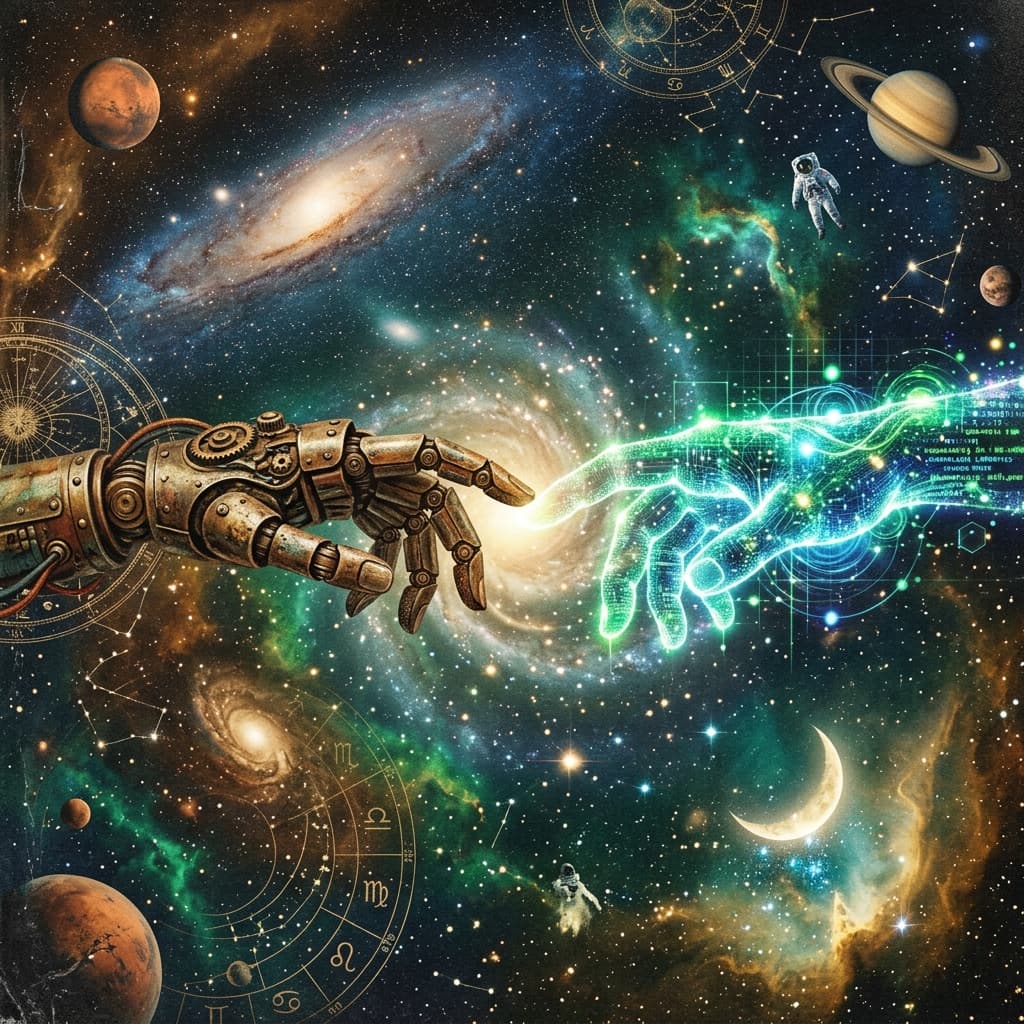
For most of the 21st century, artificial intelligence was a disembodied voice in our phones or text on our screens. The physical realm of robotics—building machines that could actually navigate a chaotic, unpredictable human environment—was plagued by a concept known as "Moravec’s paradox": high-level reasoning is incredibly easy for a computer, but low-level sensorimotor skills (like walking across a cluttered room or gently holding an egg) are almost impossibly difficult.
In 2026, the paradox has been resolved. The integration of localized, offline Large Enactive Models (LEMs) into advanced hydraulic and pneumatic chassis has finally given the algorithm a capable physical body. We have entered the era of the autonomous, humanoid robot.
Industrial robots of the past were "blind automatons." A robotic arm in a car factory could perfectly weld a seam millions of times, but if the car chassis was moved by one inch, the robot would weld thin air. They required meticulous, hard-coded programming for every single action.
Building a robot that can gently hold an egg without crushing it has long been the holy grail of physical engineering.
The future of robotics is not just industrial labor; the most profound application is finding a solution to the global demographic crisis of an aging population.
The ultimate destiny of artificial intelligence was never to remain trapped inside a server farm; it was always meant to walk alongside us in the physical world. By granting autonomy to machines, we are freeing humanity from dangerous and grueling physical labor.
At ZharfAI, we believe that the highest purpose of robotics is in its name: to serve. Artificial intelligence proves that when a machine finally steps out from behind the screen and into our reality, it arrives not to conquer, but to help carry the load.
From using AI to write structural code for entirely custom spider silk to engineering bacteria that eat plastic: How algorithms are turning biology into software.
Read More
From discovering carbon-capture concrete in 48 hours to engineering room-temperature superconductors: How AI is inventing the physical building blocks of the future.
Read More
From detecting depression through voice micro-tremors to building AI systems that genuinely understand and respond to human emotional states: How affective computing is giving machines emotional intelligence.
Read MoreGet in touch with our team to discuss how we can help your business.