
Industry Insights
The Digital Operator: AI in Computer-Use Automation
Computer-use agents can operate existing software interfaces, but production value depends on guardrails, screen state checks, and recoverable workflows.
Read MoreZharfAI Team
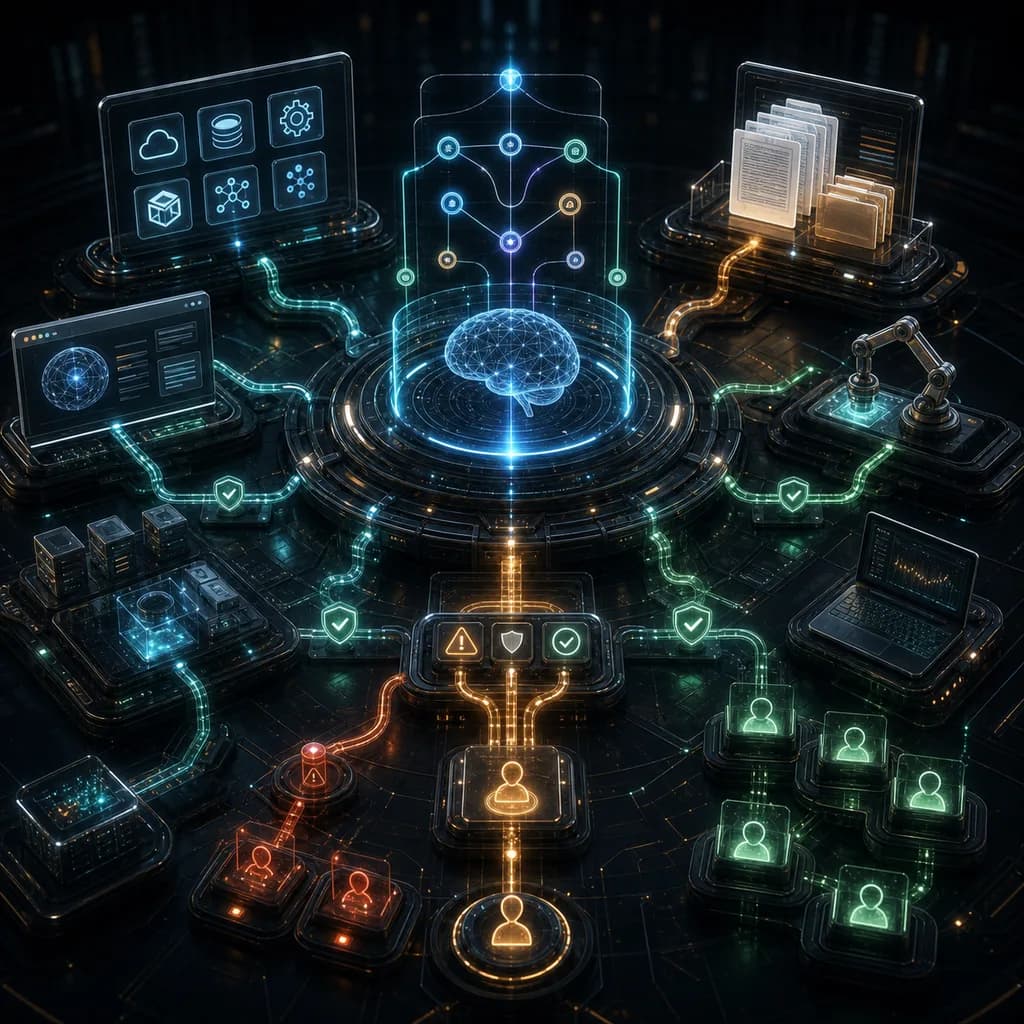
Traditional RPA works best when the process is stable. Modern operations are rarely stable: exceptions, missing fields, approvals, and tool changes appear every day.
The common lesson across 2026 AI deployments is that capability alone is not a product. Useful systems combine models with data discipline, clear permissions, evaluation, observability, and a human path for exceptions.
AI orchestration reads context, chooses the next action, calls APIs when available, uses a browser when necessary, and asks for approval when the risk is high.
Start with a narrow workflow, define the allowed data and actions, and decide which outcomes require approval. Add examples from real edge cases, measure the system after deployment, and keep a visible correction loop for users and reviewers.
The system must avoid hiding process debt. If AI only patches broken workflows, the organization may postpone the structural fix forever.
At ZharfAI, we see durable AI adoption as a systems problem. The model is one component; the surrounding architecture decides whether the result is useful, trusted, and maintainable.
Computer-use agents can operate existing software interfaces, but production value depends on guardrails, screen state checks, and recoverable workflows.
Read More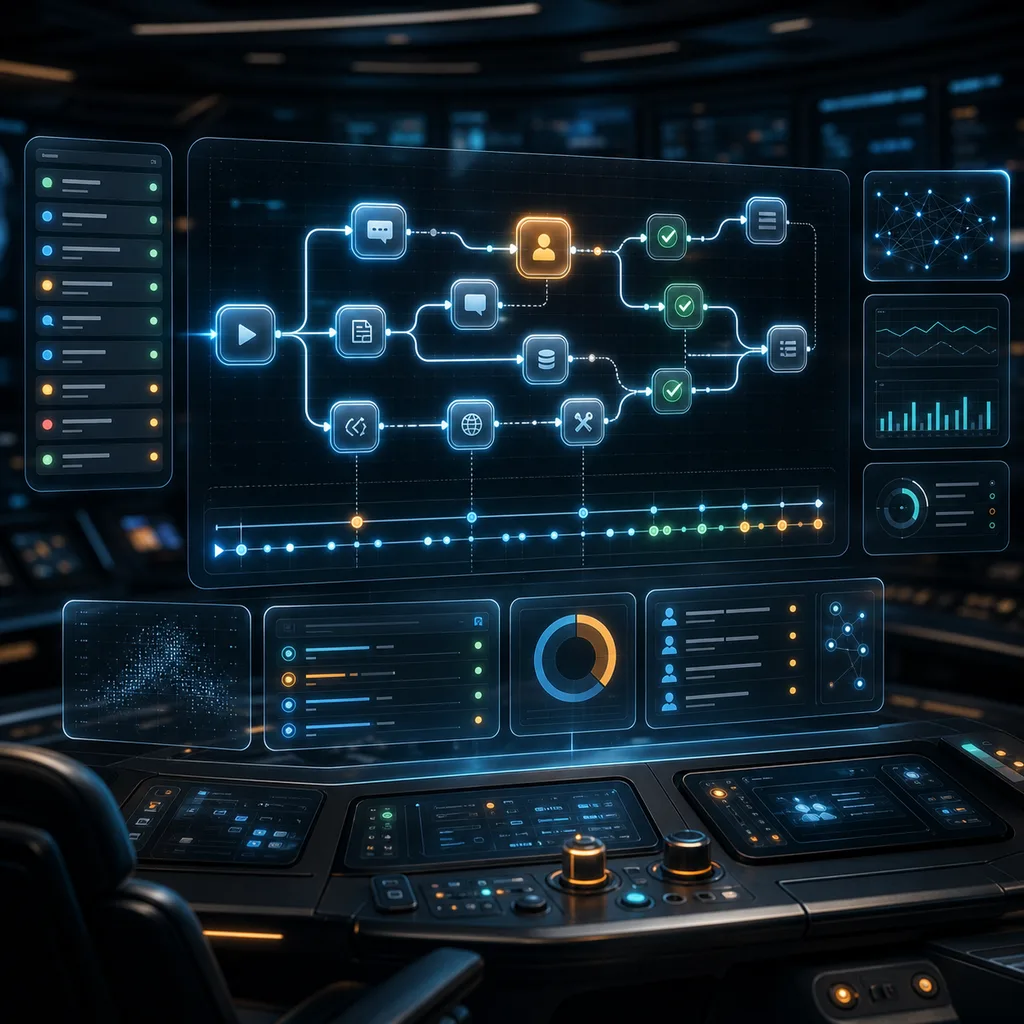
Autonomous agents need traces, run histories, approvals, and failure taxonomies so teams can understand what happened after the agent acted.
Read More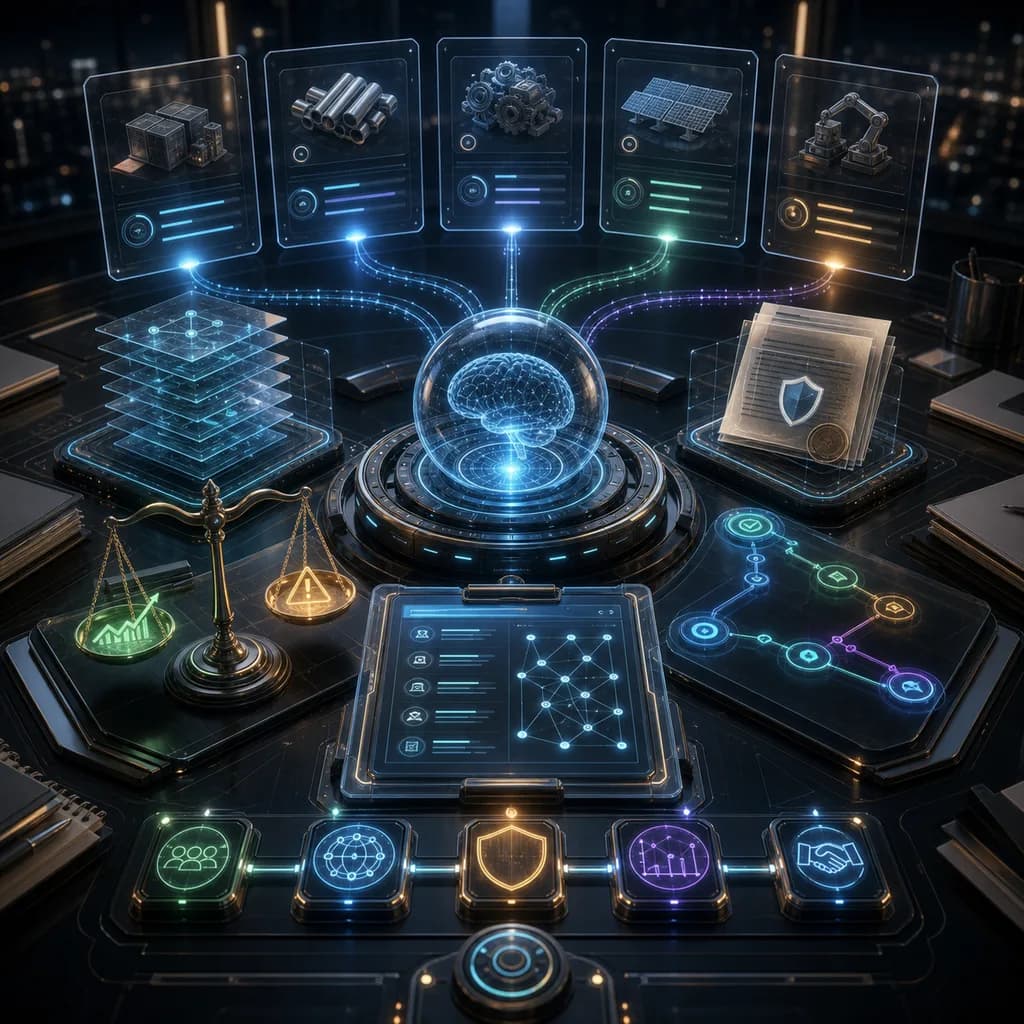
AI procurement systems can compare suppliers, summarize terms, model risk, and draft negotiation moves while keeping final authority with humans.
Read MoreGet in touch with our team to discuss how we can help your business.