The Algorithmic Veterinarian: AI in Animal Care and Diagnostic Medicine
The fundamental challenge of veterinary medicine is that the patient cannot speak. A veterinarian must rely heavily on secondary symptoms, blood work anomalies, and the subjective observations of often-panicked pet owners. A cat suffering from early-stage kidney disease will instinctively hide its symptoms until the damage is nearly irreversible.
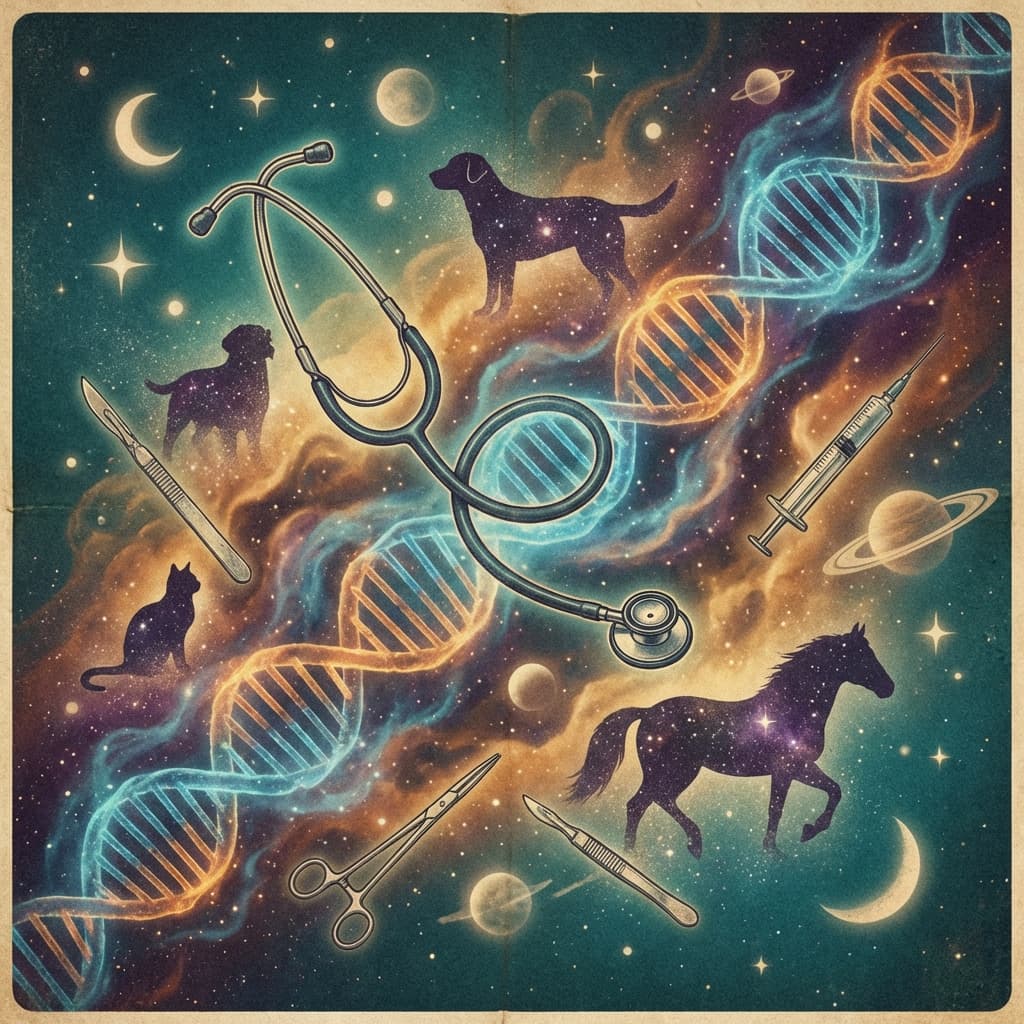
In 2026, artificial intelligence has bridged the communication gap between human doctors and animal patients. By recognizing microscopic biometric shifts and cross-referencing global diagnostic databases in milliseconds, AI is transforming veterinary clinics from reactive emergency rooms into proactive wellness centers.
1. Deep Learning Diagnostics and Non-Verbal Triage
Radiographs (X-rays) and MRIs of animals are incredibly complex to interpret due to vast differences in species anatomy and massive variations in breed size.
- Algorithmic Radiology: AI computer vision models trained on millions of veterinary scans now act as the ultimate second opinion. When a veterinarian takes an X-ray of a Golden Retriever with a slight limp, the AI scans the skeletal structure instantly. It highlights a microscopic hairline fracture in the hip joint that a tired human doctor might miss, preventing the need for complex orthopedic surgery down the line.
- Facial Pain Recognition: Pre-verbal and non-verbal pain is difficult to quantify. Modern clinics use thermal cameras paired with AI to read the "grimace scale" of a cat sitting on the examination table. By tracking the exact angle of the ears, whisker tension, and orbital tightening, the AI can objectively quantify the animal's pain level on a scale of 1 to 10, allowing doctors to precisely calibrate analgesic dosage before beginning a physical examination.
2. Wearables and Preventative Pet Biometrics
Pet owners no longer wait for their dog to stop eating to realize something is wrong.
- Smart Collars and Edge AI: Next-generation smart collars go far beyond step-tracking. They feature edge-AI processors that continuously monitor the animal’s heart rate variability, sleep cycle depth, and respiratory rate. If a dog with a history of seizures exhibits a specific pre-ictal drop in heart rate while the owner is at work, the AI immediately sends an automated alert to the owner’s phone and directly triggers the automatic dispenser on the dog's smart-feeder to release anti-convulsant medication hidden in a treat.
- Microbiome Nutrition Sequencing: Similar to human dietetics, AI is personalizing pet food. By running a genome sequence on a blood sample, the AI identifies specific breed-based genetic predispositions (like French Bulldogs' tendency toward severe skin allergies). The AI then dynamically formulates a custom hypoallergenic kibble recipe shipped directly to the owner.
3. Advanced Oncology and Species-Specific Therapeutics
Creating cancer treatments for animals has historically lagged decades behind human medicine.
- Algorithmic Chemotherapy: Large language models now cross-reference human oncology trials with canine and feline biology. When a dog is diagnosed with lymphoma, the AI analyzes the exact genetic mutation of the tumor and prescribes a hyper-personalized, targeted immunotherapy originally developed for human medicine, algorithmically adjusted for the dog's exact metabolic rate and liver function.
Giving Voice to the Voiceless
Our pets rely entirely on us for their health and survival. The integration of artificial intelligence into veterinary medicine guarantees that we are capable of providing them with the highest standard of care possible.
At ZharfAI, we recognize that the true power of technology lies in compassion. By using AI to decode the silent struggles of the animal kingdom, we ensure our closest companions lead longer, pain-free lives.