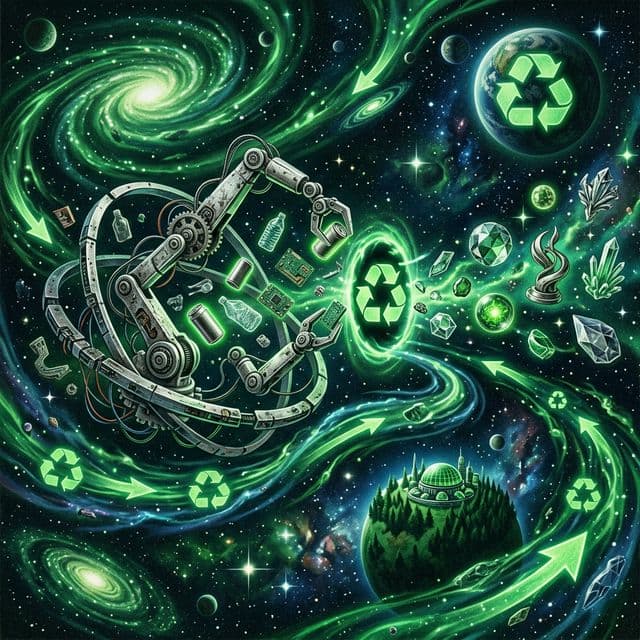
Industry Insights
The Zero-Waste Algorithm: How AI is Transforming Waste Management
From robotic sorting lines to predictive trash collection: How artificial intelligence is turning human garbage into valuable global resources.
Read MoreZharfAI Team
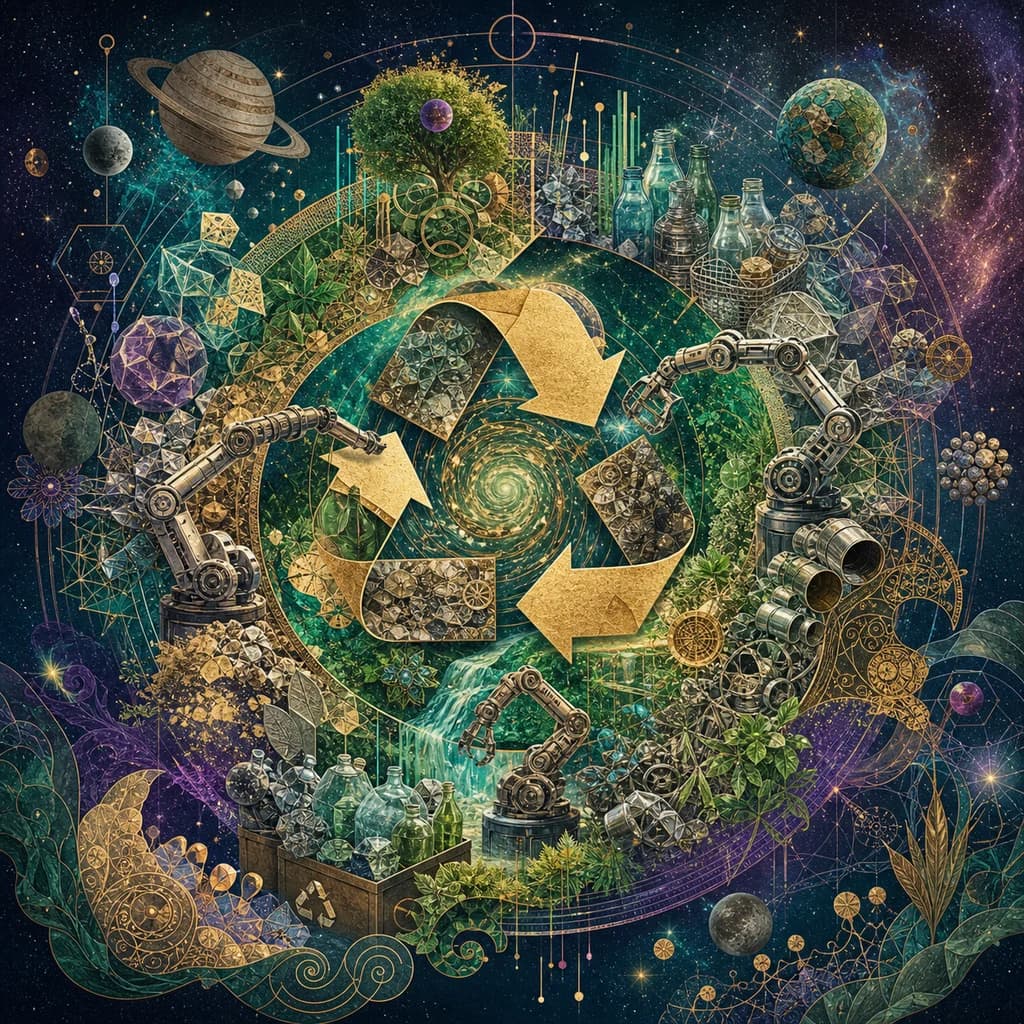
Waste is often just information that arrived too late. Circular systems depend on knowing what a product is made of, where it has been, how it can be repaired, and which material stream can reuse it with the least loss.
The circular economy becomes real when recovery is cheaper, clearer, and more predictable than throwing value away.
At ZharfAI, we help operations and sustainability teams use AI to see resource flows clearly and convert waste streams into measurable business value.
From robotic sorting lines to predictive trash collection: How artificial intelligence is turning human garbage into valuable global resources.
Read More
From engineering yeast to produce real dairy proteins without cows to designing algae-based meat alternatives with perfect nutritional profiles: How AI is brewing the future of food.
Read More
From using drone swarms to algorithmically pollinate crops to engineering climate-proof vertical skyscrapers of food: How AI is rewriting the future of human sustenance.
Read MoreGet in touch with our team to discuss how we can help your business.