Industry Insights
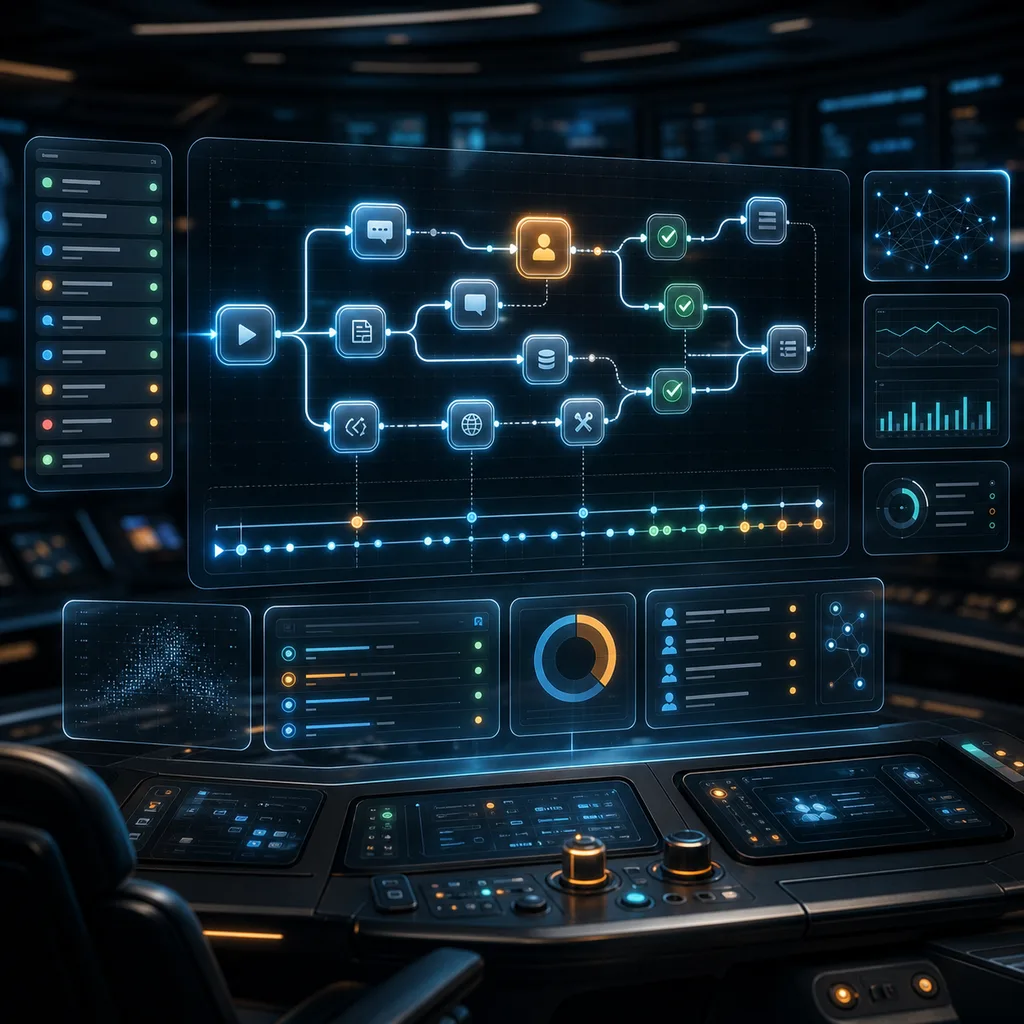
The Agent Dashboard: Observability for Autonomous AI Workflows
Autonomous agents need traces, run histories, approvals, and failure taxonomies so teams can understand what happened after the agent acted.
Read MoreZharfAI Team

The landscape of Artificial Intelligence is shifting rapidly. While 2023 was the year of Generative AI and Chatbots—systems that wait for human prompts to create text or images—2024 and beyond are shaping up to be the era of Autonomous AI Agents. These are not just tools that talk; they are systems that do.
The distinction is crucial. A "Copilot," like ChatGPT or GitHub Copilot, assists a human user. It creates a draft, suggests code, or answers a question, but the human is always in the loop, driving the process.
Autonomous Agents, however, are designed to pursue goals. You give them an objective—"Plan a marketing campaign for product X" or "Debug this software module"—and they break it down into steps, execute those steps, critique their own results, and iterate until the goal is achieved.
The implication of this shift is a move from "AI as a tool" to "AI as a workforce."
Agents like Devin are showing us a future where an AI can take a GitHub issue, explore the repository, reproduce the bug, fix it, writes tests, and submit a pull request—all autonomously. This doesn't replace engineers but shifts them to a role of architecture and review.
Instead of asking an analyst to pull a report, a manager might ask an agent to "Monitor market trends for these 5 competitors and alert me if stock prices correlate with specific news keywords." The agent runs 24/7, ingesting data, running models, and reporting insights proactively.
Imagine a true digital assistant that doesn't just set timers. An agent could: "Plan my trip to Tokyo." It would research flights, match them with your calendar, find hotels within your budget and preference, book reservations, and create a detailed itinerary, only checking in for final approval.
While the potential is immense, the technology is still maturing.
We are witnessing the birth of a new kind of digital labor. Autonomous AI Agents promise to unlock unprecedented productivity by handling complex, multi-step tasks that previously required human attention. As these systems become more reliable and capable, the question will shift from "What can I ask AI to generate?" to "What goal can I assign my AI agent to achieve?"
At ZharfAI, we are closely monitoring these developments to bring the most advanced, efficient, and secure AI solutions to your business. The future of automation is autonomous, and it is closer than you think.
Autonomous agents need traces, run histories, approvals, and failure taxonomies so teams can understand what happened after the agent acted.
Read More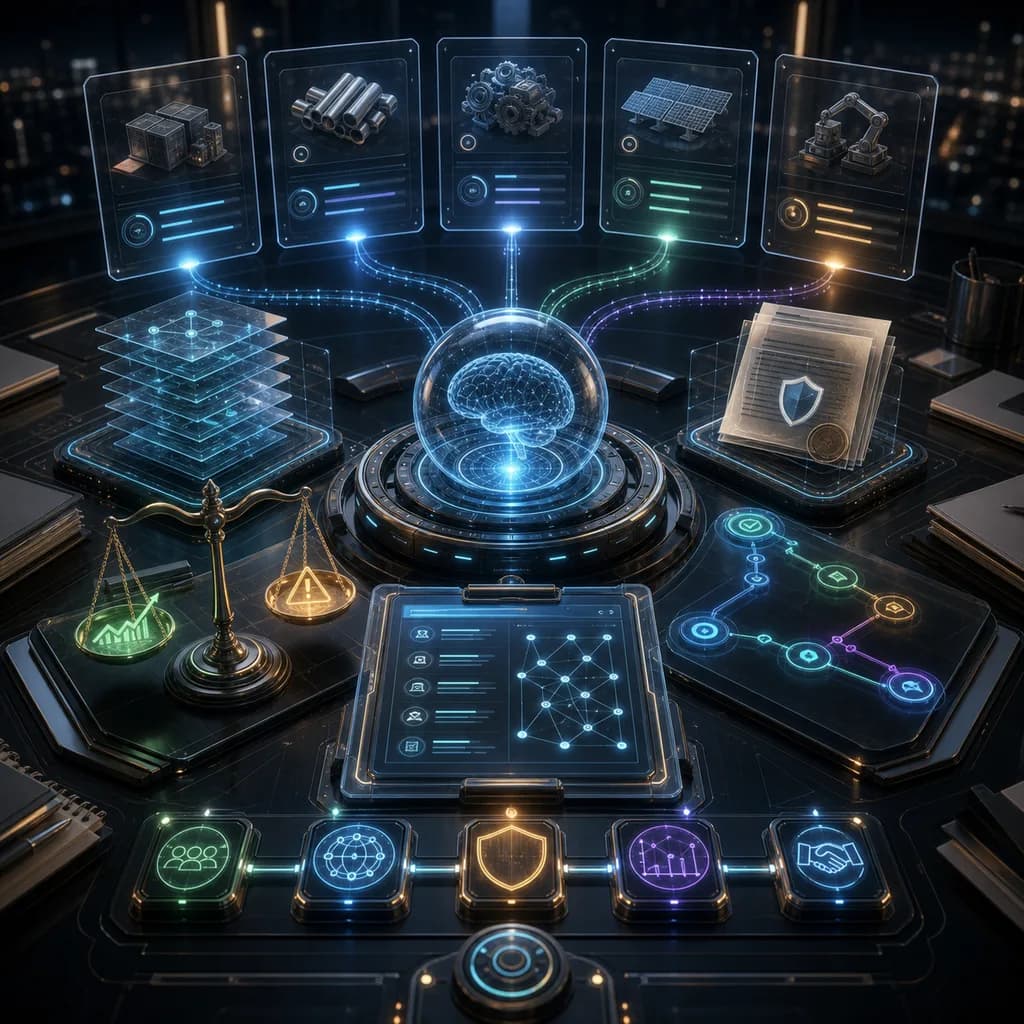
AI procurement systems can compare suppliers, summarize terms, model risk, and draft negotiation moves while keeping final authority with humans.
Read More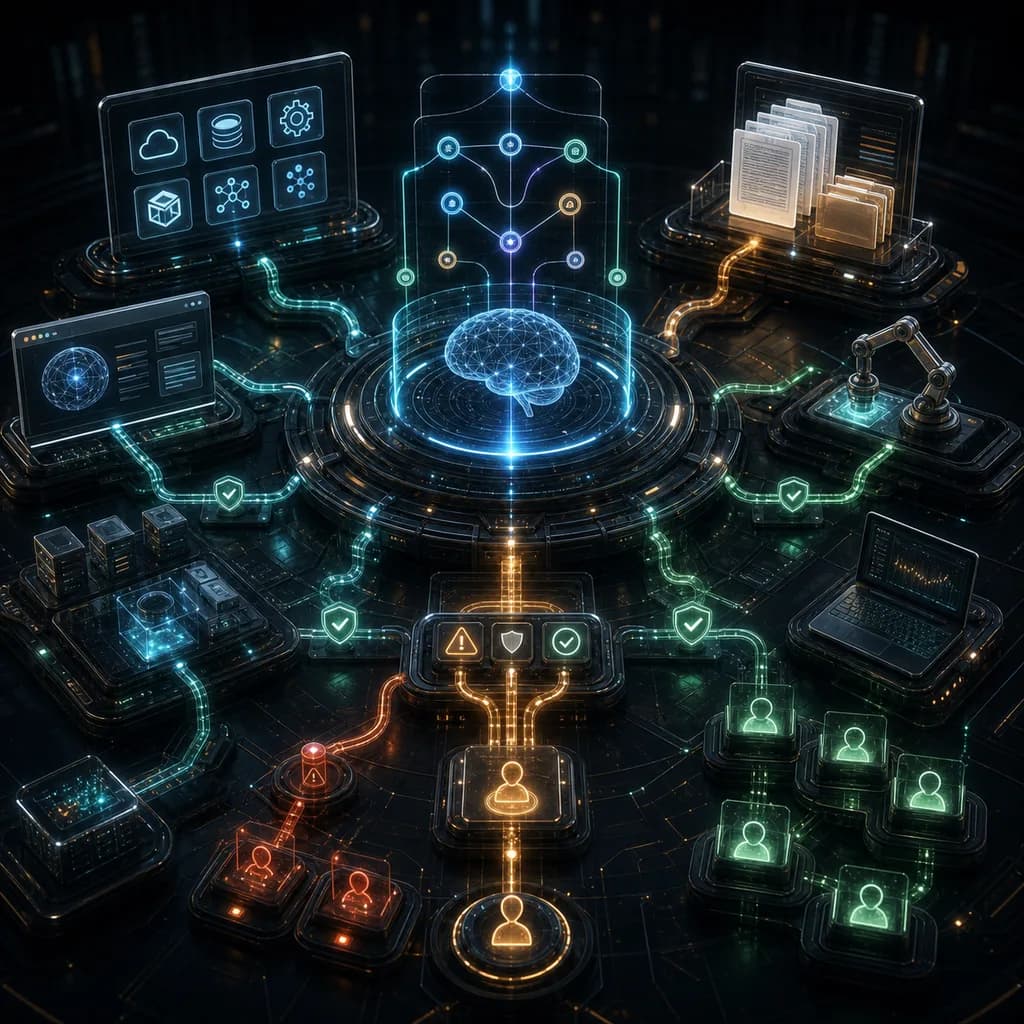
AI is pushing robotic process automation from brittle scripts toward adaptive orchestration across people, APIs, documents, and user interfaces.
Read MoreGet in touch with our team to discuss how we can help your business.