The Universal Translator: How AI is Breaking Down Linguistic Barriers
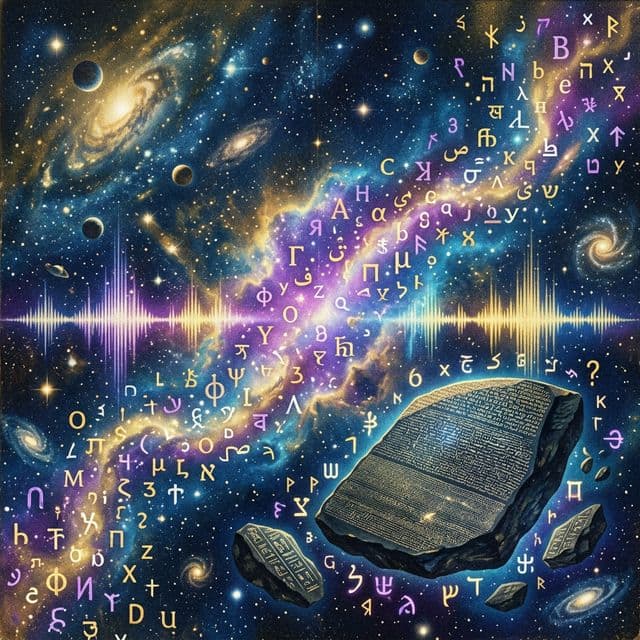
For thousands of years, language has been both the primary binder of human societies and the ultimate barrier between them. The dream of a "Universal Translator"—a device that instantly and flawlessly translates any spoken language into another—was once the exclusive domain of science fiction.
In 2026, Artificial Intelligence is making that dream a reality, fundamentally altering global business, travel, and cultural exchange. But modern AI isn't just word-for-word translating; it's understanding context, nuance, and even emotion.
1. Real-Time Conversational Translation
The days of awkward phrasebooks and clunky translation apps are fading into history:
- Simultaneous Earbud Translation: AI models now run locally on smart earbuds entirely offline. When two people speaking different languages converse, the AI listens, translates, and synthesizes the speech into the listener's ear with less than a second of latency, mimicking the natural flow of conversation.
- Voice Cloning and Prosody: Early translation sounded robotic and monotonic. Today's AI doesn't just translate the words; it analyzes the speaker's emotional tone, pitch, and cadence. When a Japanese executive speaks excitedly, the AI translates her words into English while actively cloning her voice and preserving her excitement, maintaining the emotional resonance of the communication.
- Idiom and Cultural Localization: Literal translation often results in nonsense (translating "it's raining cats and dogs" literally into French confuses the listener). Advanced Large Language Models understand cultural context, automatically swapping idioms, metaphors, and pop-culture references for their most appropriate equivalents in the target language.
2. Globalized Media and Entertainment
The entertainment landscape is becoming truly borderless:
- Lip-Sync Dubbing: Historically, dubbed movies suffered from distracting lip-sync issues. Generative AI fundamentally shifts this paradigm. When a Spanish film is translated into English, the AI actually manipulates the pixels of the actors' mouths on-screen to perfectly match the new English syllables, creating a seamless viewing experience.
- Instant Subtitling: Live news broadcasts, esports tournaments, and international conferences use AI to generate highly accurate subtitles in 50+ languages simultaneously, democratizing access to live global events.
3. Preserving Endangered Languages
While AI connects major global languages, it is also racing to save those on the brink of extinction:
- Linguistic Archiving: Linguists use AI to analyze historical recordings of elderly speakers of dying languages. The AI identifies phonetic patterns and grammar rules with minimal data, helping to build comprehensive dictionaries and teaching materials before the last fluent speakers pass away.
- Revitalization Tools: AI chatbots are being built in endangered Indigenous languages. These bots serve as tireless conversational partners for young members of the community trying to learn their ancestral tongue, providing a living, interactive repository of their heritage.
4. The Enterprise Translation Engine
Global business relies on the flawless transmission of complex information:
- Technical Jargon Mastery: Legal contracts, medical files, and engineering schematics require absolute precision. AI models are trained on domain-specific glossaries, ensuring that the translation of a chemical patent from Mandarin to German uses the exact standardized scientific nomenclature expected by industry professionals.
- Automated Localization: AI doesn't just translate a company's website; it automatically adjusts the layout for right-to-left languages, updates currency formats, modifies imagery to align with local cultural norms, and ensures compliance with regional marketing regulations.
The Future of Communication
Despite the sheer power of AI translation, the profession of human interpretation is evolving rather than disappearing. Human translators are shifting to become cultural consultants, editors, and nuance-checkers for high-stakes diplomacy and literary works where subtle poetic intent is paramount.
At ZharfAI, we believe that breaking down language barriers fosters global empathy and innovation. By deploying intelligent translation systems, we help businesses and individuals talk to the world—without losing anything in translation.