
Industry Insights
The Orchestrated Office: AI Agent Workflows for Business
From approvals to multi-step operations: How agentic AI turns fragmented business processes into governed, observable workflows.
Read MoreZharfAI Team
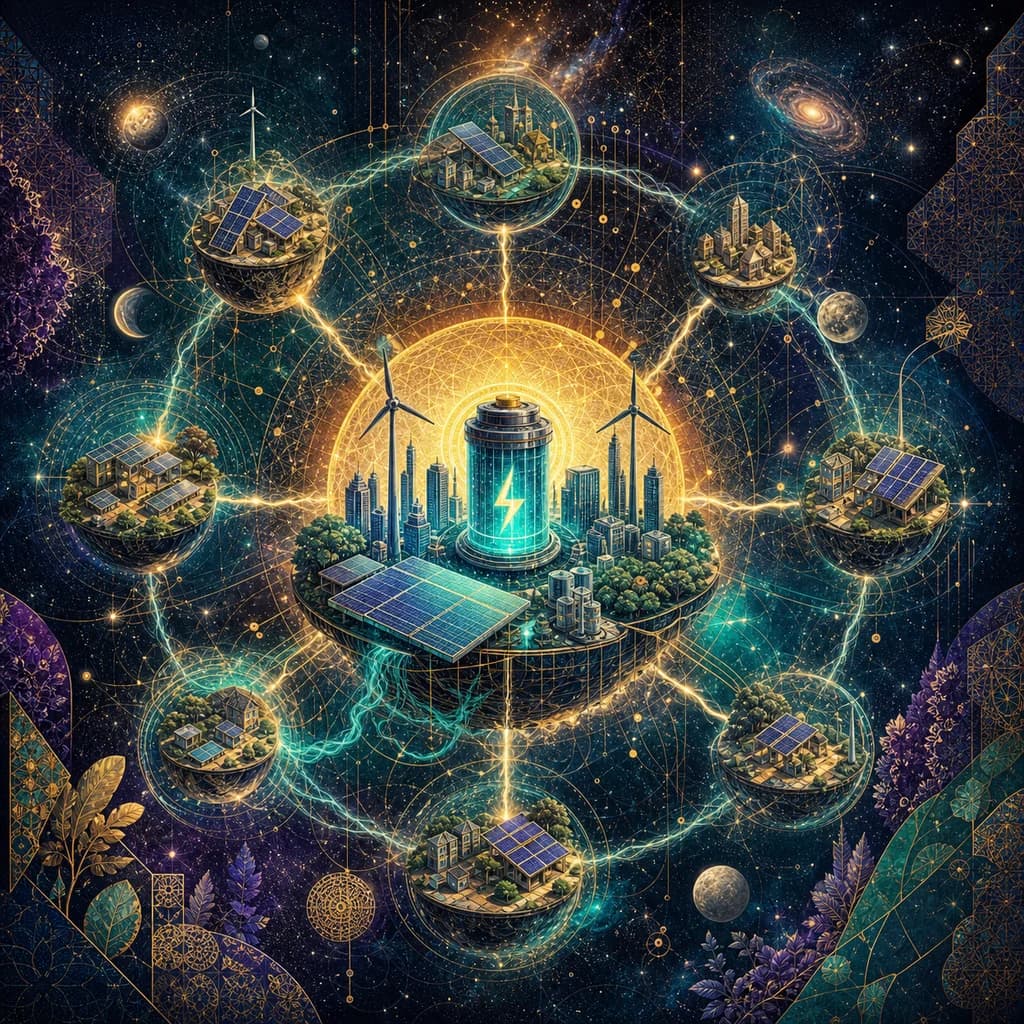
As solar panels, batteries, electric vehicles, and flexible loads spread across the grid, energy management becomes a real-time coordination problem. AI is the control layer that makes small energy assets behave like one resilient system.
Clean energy becomes more valuable when it is predictable, controllable, and resilient. AI brings those qualities to the edge of the grid.
At ZharfAI, we help energy teams build optimization systems for assets that must perform under uncertainty.
From approvals to multi-step operations: How agentic AI turns fragmented business processes into governed, observable workflows.
Read More
From predictive maintenance to technician routing: How AI helps service teams reduce downtime, repeat visits, and operational waste.
Read More
From clean rooms to federated learning: How AI helps organizations collaborate on sensitive data without exposing raw records.
Read MoreGet in touch with our team to discuss how we can help your business.