
Industry Insights
The Intelligent Grid: How AI is Powering a Sustainable Future
Balancing the grid, predicting renewable output, and optimizing infrastructure: How AI is the key to a cleaner, more efficient energy sector.
Read MoreZharfAI Team
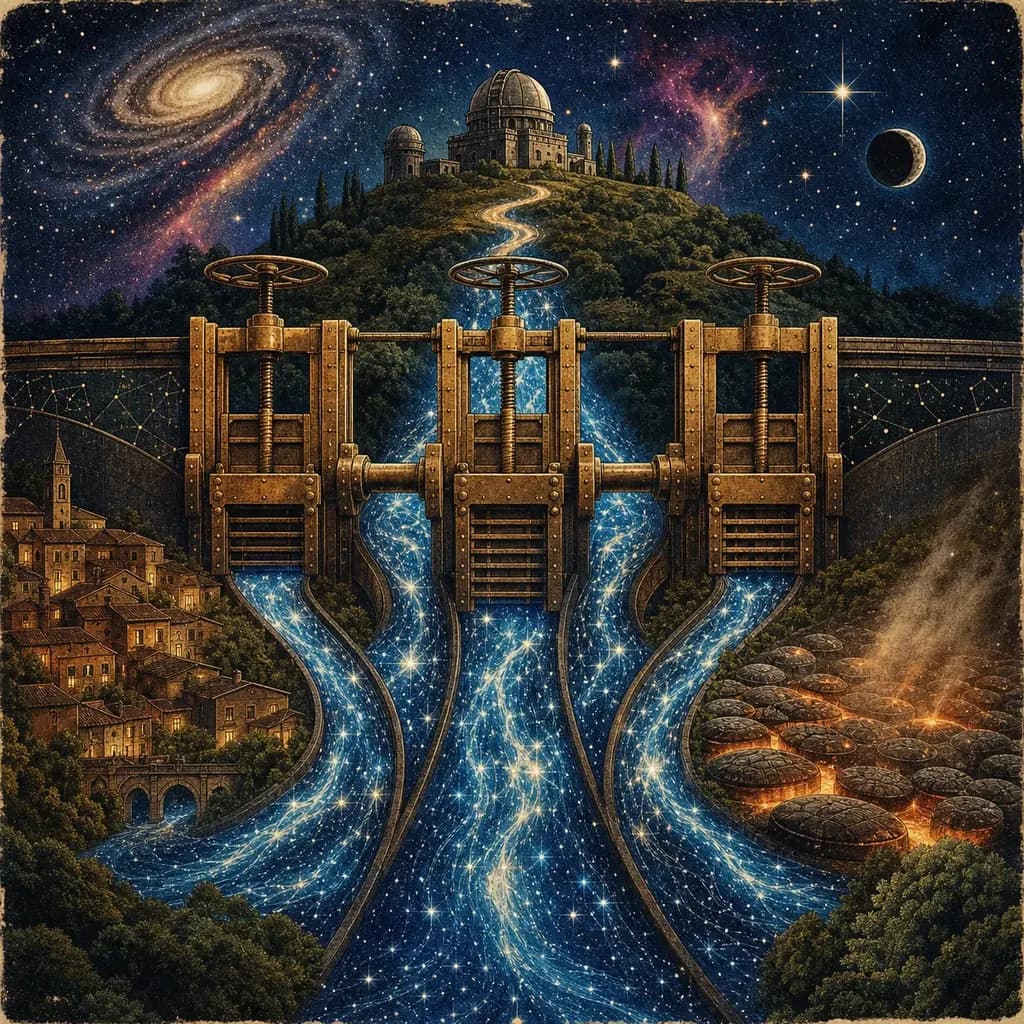
An AI data center is not an isolated box. It joins an electrical grid, a water system, a fiber network, a labor market, and a community. Capacity planning that considers only accelerators and racks misses the systems that determine whether the facility can operate reliably.
Training, batch inference, real-time inference, fine-tuning, and storage place different demands on infrastructure. Separate work that must run immediately from work that can move across time or location. Flexible workloads can absorb renewable peaks, avoid grid stress, and make better use of installed hardware.
A credible design examines:
Efficiency should be measured per useful unit of work, not only per server. An underused efficient chip can still support an inefficient system.
Developers should explain expected demand, construction phases, employment, water use, noise, resilience investments, and who pays for upgrades. Communities need meaningful data before commitments are fixed.
Software also belongs in the infrastructure plan. Model routing, batching, quantization, caching, and scheduling can reduce physical demand without reducing service quality.
The sustainable path is not “more compute” or “less compute” in isolation. It is compute designed as a cooperative part of the systems around it.
Balancing the grid, predicting renewable output, and optimizing infrastructure: How AI is the key to a cleaner, more efficient energy sector.
Read More
Energy-aware AI design reduces waste by optimizing model size, hardware, batching, caching, routing, and where inference runs.
Read More
Modern AI systems increasingly route each task to the right model, balancing quality, latency, privacy, and cost instead of using one model for everything.
Read MoreGet in touch with our team to discuss how we can help your business.